

Imagine your lake sparkling, clean, and teeming with life, instead of being choked with weeds and sediment. That's the promise of lake dredge. It's a process that removes accumulated silt and debris from the bottom of lakes, ponds, and reservoirs, revitalizing these precious ecosystems.
But why is lake dredge so important? Over time, lakes naturally accumulate sediment from various sources. This buildup can lead to a host of problems, from shallowing water depths to poor water quality. Luckily, lake dredge can help.
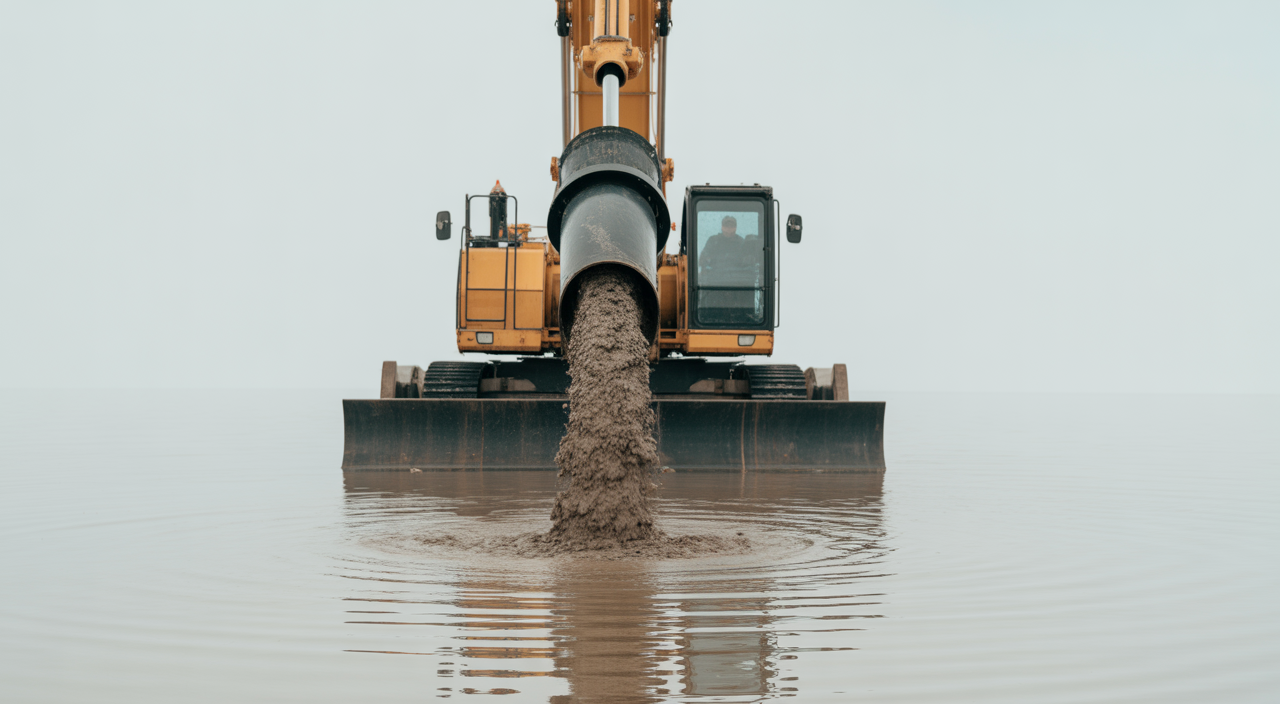
The benefits of a well-executed dredging project are numerous, ranging from improved recreational opportunities to increased property values. To learn more about our experience and capabilities in lake and reservoir dredging, visit our website. Let's dive into why lake dredge might be the solution your waterfront property needs.
Why is Lake Dredge Necessary?
Think of your lake as a bathtub that's constantly being filled. Over time, sediment from runoff, decaying plants, and other sources accumulates at the bottom. This process, called sedimentation, is natural, but human activities can accelerate it, leading to problems.
Excessive sedimentation leads to shallower water, encouraging weed growth and algae blooms. It can also reduce oxygen levels, harming fish and other aquatic life. Nobody wants a lake that smells bad or is unusable, so action is often required.
The consequences of neglecting lake health can be significant. Decreased recreational opportunities, reduced property values, and even environmental regulations can all come into play. Luckily, with professional lake dredge, all this can be avoided.
Benefits of Lake Dredging
Lake dredge offers a wide array of benefits, making it a worthwhile investment for waterfront property owners and communities alike. Let's look at some key advantages:
Improved Water Quality
Dredging removes pollutants and excess nutrients that contribute to poor water quality. By removing these contaminants, the water becomes clearer and healthier, promoting a thriving aquatic ecosystem.
Enhanced Recreational Opportunities
A clean, deep lake is perfect for swimming, boating, and fishing. Dredging restores these recreational opportunities, making your waterfront property more enjoyable for everyone.
Increased Property Values
Studies show that lakefront properties with good water quality are worth significantly more than those with murky, weed-choked water. Dredging can boost property values, making it a smart financial decision.
Prevention of Future Problems
Regular dredging prevents future sedimentation and water quality issues. By removing accumulated sediment, you're essentially hitting the reset button and ensuring long-term lake health. Explore advanced solutions for waterway maintenance.
Lake Dredging Methods: An Overview
There are several methods of lake dredging, each with its own advantages and disadvantages. The best method depends on the specific characteristics of the lake and the project goals.
Hydraulic dredging, which is a popular method, uses a suction system to remove sediment and pump it to a disposal site. This method is efficient and environmentally friendly, especially for larger projects.
Mechanical dredging, on the other hand, uses excavators or clamshells to remove sediment. This method is better suited for smaller projects or areas with limited access. Choosing the right method is critical for a successful project.
The Lake Dredging Process
So, what does a typical lake dredging project look like? Here’s a step-by-step overview:
- Site assessment: Experts evaluate the lake to determine sediment volume and identify any potential environmental concerns.
- Permitting: Necessary permits are obtained from local and state authorities.
- Dredging operation: Sediment is removed using the chosen dredging method.
- Sediment disposal: Removed sediment is transported to an appropriate disposal site.
- Site restoration: The dredging site is restored to its original condition.
Each step requires careful planning and execution to ensure a successful and environmentally responsible outcome. It's best to partner with experienced dredging companies to make sure the lake is properly taken care of.
Cost of Lake Dredging: Factors to Consider
The cost of lake dredging varies depending on several factors. These include the size of the lake, the volume of sediment to be removed, the chosen dredging method, and the disposal method.
Permitting requirements can also impact costs. It's best to get a comprehensive estimate from a qualified contractor.
While the initial investment may seem significant, remember the long-term benefits. Improved water quality, enhanced recreation, and increased property values all contribute to a positive return on investment.
Choosing the Right Lake Dredging Contractor
Selecting the right contractor is crucial for a successful lake dredging project. Look for a company with experience, a proven track record, and a commitment to environmental responsibility.
Check their equipment and make sure they have the right tools for the job. Ask for references and talk to previous clients to gauge their satisfaction. Always verify that the contractor is properly licensed and insured.
By doing your due diligence, you can ensure that your lake dredging project is completed efficiently and effectively, with minimal disruption to the environment. Don't hesitate to ask questions; the more you know, the better.
Lake Dredging: Environmental Considerations and Regulations
Environmental responsibility is paramount in any lake dredging project. It's important to understand the potential environmental impacts and take steps to mitigate them.
Dredging can disturb aquatic habitats and release pollutants into the water. However, with proper planning and execution, these impacts can be minimized. Working with a contractor who prioritizes environmental protection is key.
Navigating the permitting process can be complex, as local and state regulations vary. A knowledgeable contractor can help you obtain the necessary permits and ensure compliance with all environmental requirements.
Frequently Asked Questions (FAQ)
Here are some common questions about lake dredging:
- How long does lake dredging take? The duration of a project depends on the size of the lake and the volume of sediment.
- Is lake dredging safe for fish and wildlife? When done properly, dredging can actually improve habitat for fish and wildlife.
- What happens to the dredged sediment? Sediment can be disposed of in a variety of ways, depending on its composition and local regulations.
Conclusion
Lake dredging is a powerful tool for restoring beauty, health, and value to waterfront properties. By removing accumulated sediment and pollutants, it improves water quality, enhances recreational opportunities, and boosts property values.
When considering dredging equipment, remember to partner with an experienced and reputable contractor who prioritizes environmental responsibility. The benefits of a well-executed lake dredge project are well worth the investment.
Ready to revitalize your lake? Contact a qualified dredging contractor today for a free consultation and site assessment.


