

If you manufacture, import, or sell products in plastic packaging in India, you have probably heard about the epr certificate for plastic waste. Many businesses know it is mandatory, but are not very clear about what it covers, how to apply, or what it really costs.
This guide breaks everything into simple steps. You will understand why the certificate matters, who needs it, how to apply on the CPCB portal, and how to keep your business fully compliant while protecting your profit.
What Is an EPR Certificate and Why Does Plastic Matter So Much?
EPR stands for Extended Producer Responsibility. In simple words, it means if your business brings plastic into the market, you are also responsible for what happens to that plastic after use. You must make sure it is collected, recycled, or properly disposed of.
An EPR certificate for plastic waste is the official approval issued by the pollution control authorities after you register and submit your plastic waste management plan. It confirms that you follow the national rules on plastic waste management and plastic packaging compliance.
India generates a large amount of plastic waste every year. Without proper EPR compliance, this waste can end up in landfills, rivers, and oceans. With EPR, the government shifts part of the responsibility from local bodies to producers, importers, and brand owners. This creates a clear system for better recycling and cleaner cities.
Who Needs an EPR Certificate for Plastic Waste in India?
Most businesses that deal with plastic packaging fall under EPR rules. In general, you need registration if you are:
- A manufacturer of plastic packaging material
- An importer of products packed in plastic
- A brand owner selling goods in plastic pouches, bottles, containers, or wrappers
- A recycler or processor dealing with plastic waste
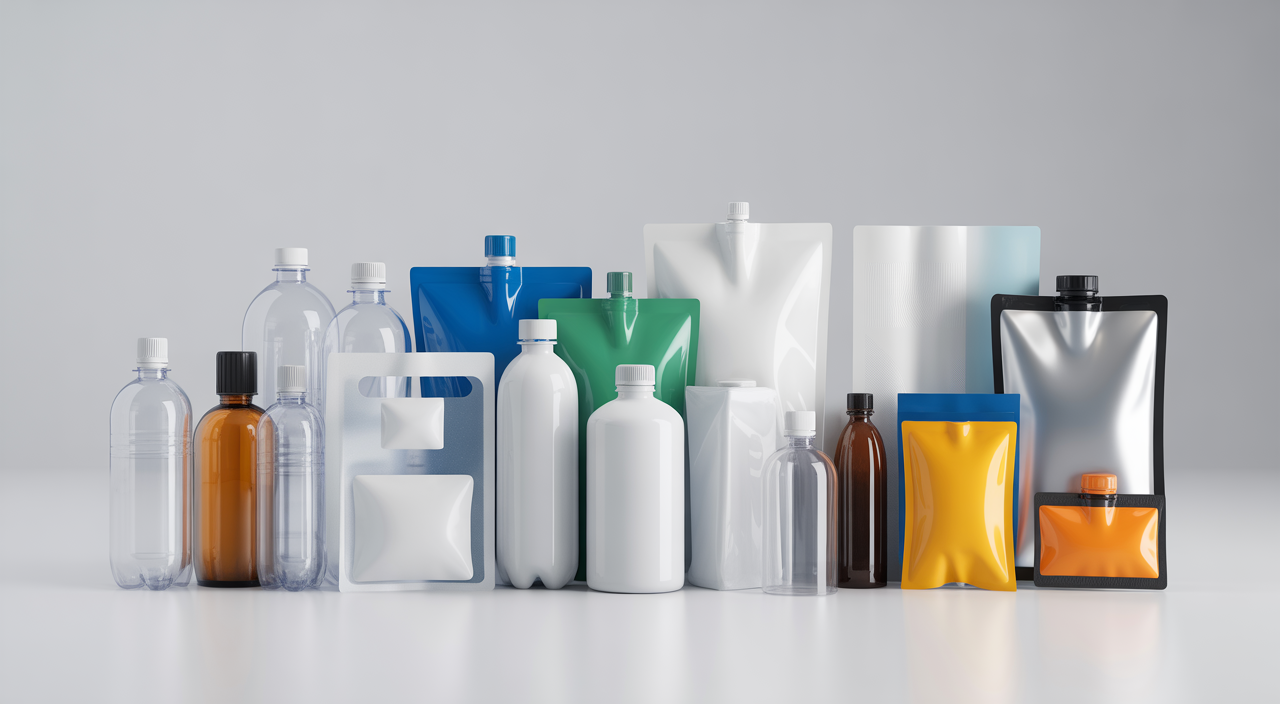
The law covers different categories of plastic packaging, such as rigid plastic (bottles, containers), flexible plastic (pouches, films), multilayer packaging, and compostable plastic. Even small and medium enterprises are expected to comply, though their targets may be lower.
Step-by-Step Process to Obtain Your EPR Certificate
Step 1: Check Eligibility and Prepare a Simple Self-Checklist
Before you apply, answer a few quick questions:
- Do you use plastic packaging for any of your products?
- Do you import or manufacture plastic packaging material?
- Do you sell across multiple states in India?
If the answer to any of these is yes, you almost certainly need EPR registration. Prepare a basic checklist covering your business details, product list, quantity of plastic used per year, and what collection or recycling systems you already have in place.
Step 2: Collect the Required Documents
For most applicants, the following documents are needed:
- Business registration certificate (such as incorporation or GST details)
- PAN and identity details of authorised signatory
- List of products and type of plastic packaging used
- Yearly plastic consumption or import data (in tonnes or units)
- Plan for plastic waste collection, recycling, or tie-up with a producer responsibility organisation (PRO)
A PRO is a specialised company that helps you meet your collection and recycling targets. Many Indian investors prefer working with a PRO so that they can focus on core business while experts handle plastic waste management compliance.
Step 3: File the Online Application on the CPCB Portal
Once documents are ready, you can register online on the Central Pollution Control Board portal. The steps are usually:
- Create a login ID and profile for your company
- Fill in business and contact details
- Enter plastic packaging data category-wise
- Upload supporting documents in the required formats
- Submit your EPR plan and targets
Careful data entry is important. Errors or mismatched figures can delay approval. Many businesses take support from consultants to avoid repeated queries from the authorities.
Step 4: Pay Applicable EPR Fees and Fulfil Targets
The “fee” part of EPR usually has two sides. First, there may be a government processing fee for registration. Second, there is the real cost of meeting your collection and recycling targets. This cost depends on:
- How much plastic you put on the market
- The types of plastic packaging you use
- Whether you manage collection yourself or through a PRO
For Indian investors, this cost is best seen as a smart risk-management expense. It is normally much lower than the potential penalties, legal issues, or brand damage from non-compliance.
Step 5: Track Application Status and Receive Approval
After submission and payment, authorities review your application. They may raise queries or ask for clarification. If all is in order, your EPR certificate is issued for a set validity period.
Keep a close eye on your portal notifications and emails. Quick response to queries helps you get approval faster and start operating with full confidence.
What Does EPR Compliance Really Cost and What Is the ROI?
Many Indian businesses worry that EPR will eat into margins. In reality, the cost is manageable when planned early. You can break it into:
- One-time registration and documentation cost
- Annual collection and recycling charges paid to PROs or recyclers
- Internal costs for record-keeping and reporting
On the positive side, the return on investment is strong. Benefits include:
- Zero risk of stop-work notices or penalties for non-compliance
- Better brand image with distributors, retailers, and eco-aware customers
- Stronger position when raising capital or dealing with global buyers who demand sustainability
Some businesses also use EPR data to improve packaging design, reduce material use, and save long-term costs. Simple changes like lighter bottles or switching to more recyclable plastic can bring both environmental and financial gains.
Case Study Snapshots for Indian Investors
Consumer goods startup: A small FMCG brand switched to a PRO-based model and obtained its epr certificate for plastic waste within two weeks of complete documentation. By optimising packaging and using a shared collection network, they reduced their compliance cost per unit by nearly 15% in the second year.
Mid-size importer: An importer of household products faced confusion over multi-state operations. With expert guidance, they mapped all their packaging categories correctly, avoided data mismatch, and prevented a potential notice that could have held up customs clearance.
These examples show that early action, clean data, and the right partners make EPR compliance smooth and profitable.
How to Keep Your EPR Certificate Active
Getting approval is only the first step. You must also:
- Meet yearly collection and recycling targets
- Maintain proper records of waste handling and invoices from recyclers or PROs
- Submit periodic returns and performance reports on time
- Apply for renewal before the certificate expires
Simple internal systems, clear responsibilities in your team, and periodic internal audits make ongoing compliance easy and stress-free.
Additional Resources to Stay Updated
Rules and CPCB norms related to plastic waste are updated from time to time. It helps to follow reliable, well-explained guides. For example, if you enjoy structured, step-by-step breakdowns in other subjects, you might like reading this guide on building compliance guidelines in a practical way.
For entrepreneurs who also deal with technology and online systems, this article on managing complex technical setups with a global load balancer shows how clear planning can simplify even complex regulatory or technical work.
FAQs on EPR Certificate for Plastic Waste in India
Q1. How long does it take to get an EPR certificate after applying?
Processing time can vary based on workload and the completeness of your documents. If your application is accurate and all supporting papers are in the correct format, many businesses receive approval within a few weeks. Delays usually happen when data is missing or confusing, so careful preparation is key.
Q2. Is EPR registration needed for very small producers or new startups?
Even small producers and startups using plastic packaging generally fall under EPR rules, though their targets may be lower. If your products reach multiple states or you import plastic-packed goods, registration is highly advisable. Early compliance protects you as your sales grow.
Q3. Can one EPR certificate cover multiple product lines under the same brand?
Yes, you can usually cover different products and packaging categories under a single registration for the same legal entity. While applying, you must clearly list all product types and packaging details so that your targets reflect your total plastic footprint.
Q4. What happens if I change my packaging material during the year?
If you shift to a different type or quantity of plastic, you should update your records and, where required, inform the authorities in your periodic returns. Keeping your data accurate ensures smooth renewals and shows that your business is serious about responsible plastic use.