

In a world increasingly focused on sustainability and efficiency, many industries are looking for greener solutions. Dredging, the process of removing sediment from waterways, is no exception. Traditional dredging methods often rely on diesel engines, which come with their own set of challenges. This leads many to ask: Are electric dredge systems the path forward for cleaner, more effective waterway management?
The answer, for many, is a resounding yes. Electric dredging offers compelling advantages over conventional diesel-powered equipment. These benefits range from environmental protection to significant operational cost savings. Let's explore why these innovative machines are gaining so much attention.
What Exactly is an Electric Dredge?
An electric dredge is a specialized piece of equipment designed to remove underwater sediment, sludge, or debris. Unlike traditional dredges, which are powered by diesel engines, electric dredges use electric motors. These motors drive the pumps, cutters, and other systems needed for efficient material removal.
This shift in power source changes everything. It means no fossil fuels are burned directly on the machine. This dramatically alters their environmental footprint and operational characteristics. They offer a cleaner, quieter, and often more stable power delivery.
Defining the Electric Dredge
The core concept is simple: electricity replaces internal combustion. This power can come from various sources. Some units connect to a direct power grid on shore. Others use large battery banks or even hybrid systems with generators that run only when needed. This flexibility makes them suitable for many different project sites.
There are several types of electric dredges. These include cutter suction dredges, hydraulic dredges, and especially, electric auger dredges. Each type is designed for specific tasks, but all share the common benefit of electric power.
How Electric Dredges Operate
Electric dredges work by using powerful electric motors to drive pumps. These pumps create suction, drawing up water and sediment from the bottom. The mixture is then transported through a pipeline to a designated disposal area.
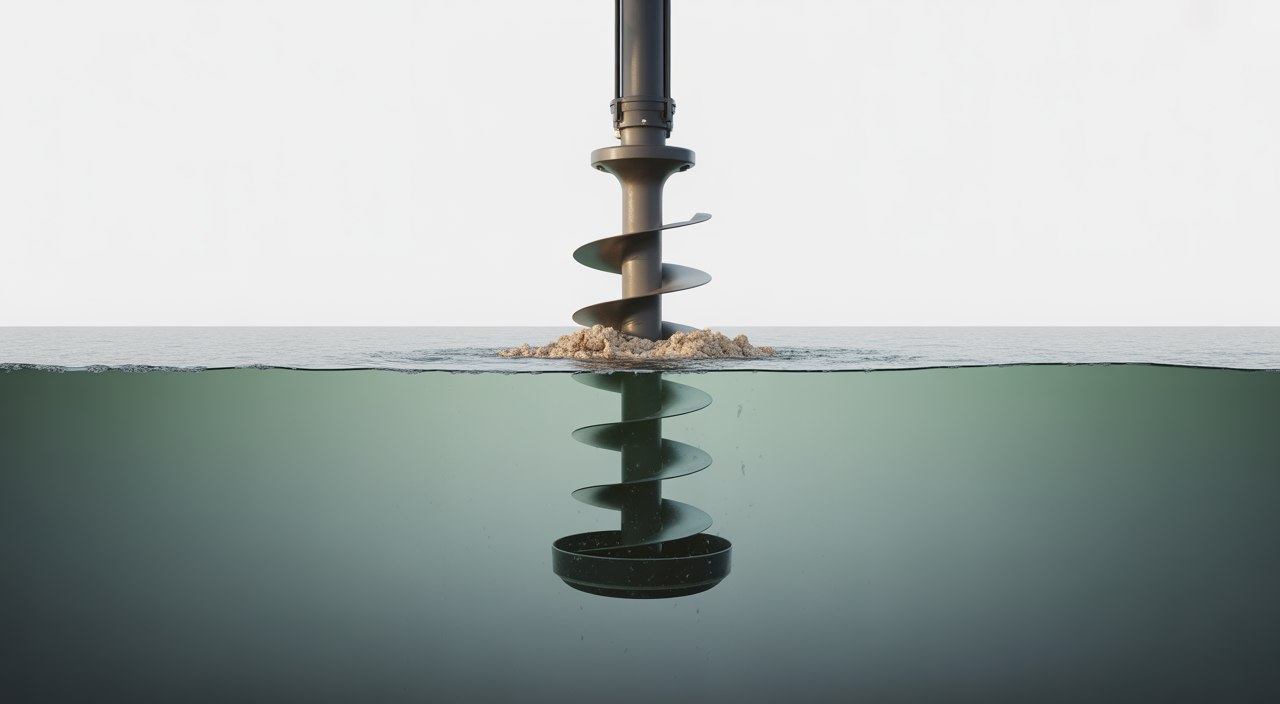
In some designs, like auger dredges, an electric motor also powers a rotating auger. This auger acts like a giant screw. It agitates and gathers the material before it's sucked into the pump. This process is highly controlled and efficient, especially for specific types of sludge and sediment. The absence of a combustion engine means fewer moving parts in the core power system, simplifying operation and maintenance.
The Unmatched Advantages of Going Electric
Switching to electric dredging brings a host of benefits. These advantages span environmental, economic, and operational aspects. They make a strong case for why electric is becoming the preferred choice for many projects.
Superior Environmental Performance
One of the biggest draws of electric dredges is their positive environmental impact. They offer a much cleaner way to work.
- Zero Emissions: When powered by renewable energy or a clean grid, electric dredges produce zero greenhouse gas emissions at the point of use. This eliminates harmful pollutants like CO2, NOx, and particulate matter. It helps businesses meet strict environmental regulations and reduce their carbon footprint.
- Reduced Noise Pollution: Electric motors are significantly quieter than diesel engines. This is a huge advantage for projects in urban areas, near residential zones, or in sensitive wildlife habitats. Reduced noise also creates a much better working environment for operators.
- Protecting Aquatic Ecosystems: Without fuel spills or exhaust fumes, electric dredges help protect the water quality and delicate aquatic ecosystems where they operate.
Significant Cost Savings & ROI
Beyond environmental benefits, electric dredges can lead to substantial financial savings over their lifespan.
- Lower Operating Costs: Electricity is often cheaper and more stable in price than diesel fuel. This leads to predictable and reduced daily running costs.
- Reduced Maintenance: Electric motors typically have fewer moving parts than diesel engines. This means less wear and tear, fewer oil changes, and simpler maintenance schedules. It translates to less downtime and lower maintenance expenses.
- Incentives: Many governments and organizations offer grants or incentives for adopting green technologies. Investing in electric equipment can qualify for these programs, further boosting the return on investment.
Enhanced Operational Efficiency & Precision
Electric power also brings notable improvements to how dredging operations are carried out.
- Consistent Power Delivery: Electric motors provide steady, reliable power. This leads to more consistent pumping rates and greater dredging accuracy.
- Remote Operation: Many electric dredges are designed for remote control. This enhances safety by removing operators from hazardous areas. It also allows for very precise maneuvering and dredging.
- Continuous Operation: When connected to a shore power source, electric dredges can operate continuously. There's no need to stop for refueling, which maximizes uptime and project completion rates.
Electric Auger Dredges: Precision & Performance
Among the various types of electric dredges, electric auger dredges stand out for their precision and ability to handle specific materials. They combine the environmental and cost benefits of electric power with a highly effective dredging mechanism.
What Makes Auger Dredges Unique?
An auger dredge uses a large, helical screw (the auger) to cut into and agitate sediment. This screw rotates horizontally, sweeping material towards a central suction intake. It's particularly effective for cohesive materials like clay, thick sludge, and compacted sediments that might be difficult for pure suction dredges to handle.
The auger ensures that a consistent, high-solids mixture enters the pump. This leads to more efficient material transfer. The controlled nature of the auger also minimizes turbidity, or cloudiness, in the water. This is crucial for maintaining water quality.
Why Electric Auger Dredges Excel
When you combine the auger's mechanical advantages with electric power, you get a superior solution. Electric auger dredges are especially good for:
- Pond and Lagoon Cleanouts: They can precisely remove accumulated sludge without excessive stirring of the bottom.
- Industrial Waste Removal: Handling heavy industrial sludge and tailings in settling ponds is a common application. If you're looking for guidance on choosing the right dredge equipment manufacturer, resources are available to help you find specialized solutions.
- Municipal Wastewater Treatment: They are ideal for maintaining treatment plant basins and clarifiers, where precision and low disturbance are key.
For a closer look at advanced solutions for your specific needs, explore our range of electric auger dredges.
Key Applications for Electric Dredges
The versatility of electric dredges means they can be used across a wide range of industries and environments. Their unique benefits make them suitable for sensitive or challenging projects.
Municipal & Environmental Projects
Local governments and environmental agencies increasingly turn to electric dredges. They are perfect for maintaining stormwater ponds, municipal lagoons, and water reservoirs. Their quiet operation and zero emissions are vital in public areas. They also play a critical role in environmental restoration projects where minimizing disruption is paramount.
Industrial & Mining Operations
In industrial settings, electric dredges handle a variety of tasks. This includes managing tailings ponds in mining operations. They also clean settling basins and sumps in processing plants. The consistent power and ability to handle abrasive materials make them a robust choice for these demanding environments. These machines represent advanced sand dredging equipment solutions that are both efficient and environmentally conscious.
Harbors, Ports & Marinas
Maintenance dredging is constant in busy waterways. Electric dredges offer an advantage in harbors, ports, and marinas. They can operate without disturbing nearby ships, wildlife, or residential areas with excessive noise or fumes. This allows for more flexible work schedules, including nighttime operations.
Choosing Your Electric Dredge: What to Consider
Selecting the right electric dredge involves several important considerations. Thinking about these factors will help you find the best fit for your project.
- Project Scope and Material Type: What kind of sediment or sludge do you need to remove? Is it sandy, silty, or thick and cohesive? This will influence the type of dredge and auger design you need.
- Power Availability and Infrastructure: Do you have access to a reliable electrical grid on site? What are the voltage requirements? If not, consider battery-powered or hybrid solutions.
- Portability vs. Stationary Needs: Will the dredge be moved frequently or stay in one location for a long time? Smaller, more portable units are great for varied tasks, while larger ones are for extensive, long-term projects.
- Automation and Remote Control Features: Modern electric dredges often come with advanced controls. These can include GPS guidance, automated dredging patterns, and comprehensive monitoring. These features can significantly boost efficiency and safety.
The Future of Dredging is Electric
The trend towards electric power in heavy machinery is clear. Electric dredges are at the forefront of this shift in the dredging industry. We can expect to see continued innovation in this field.
Advancements in battery technology will likely make fully autonomous, battery-powered dredges more common. Remote operation and smart controls will become standard, further improving safety and efficiency. The global push for zero emission dredging solutions means that electric models will only grow in demand and capability. They are not just an alternative; they are becoming the new standard for responsible and effective waterway management.
Conclusion: Embrace the Power of Electric
Electric dredges represent a significant step forward for the dredging industry. They offer a powerful combination of environmental responsibility, cost-effectiveness, and operational excellence. From reducing pollution and noise to lowering operating expenses and increasing precision, the benefits are clear.
Embracing the power of electric dredges means choosing a sustainable future for our waterways. It means smarter operations and better outcomes for both businesses and the planet. Ready to discover how a state-of-the-art electric auger dredge can transform your next project? Learn more about our innovative solutions and request a consultation today!
Frequently Asked Questions
Q1: How do the operating costs of an electric dredge compare to a diesel dredge?
Generally, electric dredges have lower operating costs. This is mainly due to cheaper electricity compared to diesel fuel. They also require less maintenance because electric motors have fewer complex parts than diesel engines. Over the long term, these savings can be substantial, leading to a better overall return on investment.
Q2: Can electric dredges be used in remote locations without direct grid power?
Yes, electric dredges can operate in remote areas. While connecting to a direct grid is ideal, they can also be powered by large battery banks for limited periods or by portable electric generators. These generators can be smaller and more fuel-efficient than the primary diesel engines of traditional dredges. Hybrid solutions, combining battery power with a generator, offer even greater flexibility.

